Dubai’s real estate market has become a global hotspot for investors seeking residual income from property. Whether you are an international investor eyeing high returns, a UAE resident looking to build wealth, or a first-time buyer exploring opportunities, Dubai offers a path to reliable passive income. This comprehensive guide covers the various ways to earn ongoing income through Dubai real estate – from luxury villas to short-term rental apartments and off-plan properties – and explains why Dubai real estate investment is so attractive in terms of rental yields, tax advantages, and government incentives.
Why Invest in Dubai Real Estate for Residual Income?
Dubai stands out as a premier destination for property investors due to a combination of lucrative returns and investor-friendly policies. Here are some key benefits of investing in Dubai real estate:
- Apartments in popular districts like Downtown and Dubai Marina commonly yield 7% or more, while even upscale villas can net around 4–6% rental yield– figures that outperform many global cities. Such Dubai rental yields make it possible to generate strong residual income from rentals.
- Tax-Free Investment Environment: Property investors in Dubai enjoy virtually zero property taxes and tax-free rental income. The UAE imposes no annual property tax, no capital gains tax on sales, and no income tax on rental earnings. This means landlords keep 100% of their rental income without deductions, significantly boosting net returns. Profits from reselling a property are also entirely tax-free, which amplifies long-term ROI. This unique tax advantage is a major reason Dubai is considered a haven for real estate investors.
- Government Incentives and Stability: The government actively encourages real estate investment through initiatives and a pro-growth economy. Foreign investors are permitted 100% freehold ownership in designated areas, giving full property rights to non-UAE nationals. There are also appealing residency visa programs: purchasing property worth AED 750,000 (~USD 204,000) can qualify an investor for a renewable 2-year residency visa, while an investment of AED 2 million (~USD 545,000) makes one eligible for a 10-year Golden Visa. These programs provide added security and benefits (like ease of travel and business setup) for investors making Dubai their second home. Moreover, Dubai’s political and economic stability, modern infrastructure, and safe environment further protect property values and rental demand.
- Strong Rental Demand: Dubai’s status as a global business hub and tourist destination means a steady stream of potential tenants. The city’s population is dominated by expatriates (who mostly rent), and tourism is booming. In 2023, Dubai welcomed nearly 18 million international overnight visitors (about 20% more than the previous year) – all needing accommodation. This translates to tens of thousands of people searching for a place to stay each night, ensuring high occupancy for rental properties. The demand spans everything from luxury villas sought by executives and relocating families, to city apartments rented by young professionals and holiday travelers. Consistently high occupancy rates and a growing population help investors maintain reliable rental income.
- World-Class Infrastructure and Lifestyle: Investing in Dubai property also means buying into a city known for its futuristic infrastructure, world-class amenities, and high quality of life. These factors attract both renters and buyers. From efficient transport links and business districts to beaches and entertainment, Dubai’s development drives real estate appeal. Properties in prime locations (near metro stations, business hubs, and attractions) tend to command premium rents and see strong appreciation. The government’s ongoing investments in mega-projects, business parks, and tourism (e.g. Expo legacy projects, new theme parks, etc.) continue to stimulate the real estate sector and by extension, bolster rental prospects.
In summary, Dubai real estate investment offers an appealing combination of high rental yields, minimal taxes, and investor-friendly laws in a thriving market. These advantages allow investors to generate residual income (passive rental earnings) more efficiently than in many other countries Next, let’s explore the different types of real estate investments available in Dubai and how each can produce ongoing income.
Types of Real Estate Investments for Residual Income in Dubai
Dubai’s property market features a range of investment options. The best choice depends on your budget, risk appetite, and strategy for generating rental income. Below we discuss three popular property types – luxury villas, short-term rental apartments, and off-plan properties – and how each can create a stream of passive income.
Luxury Villas – High-End Homes with Long-Term Rental Income Potential
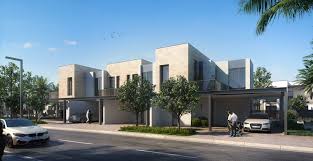
Dubai is famous for its luxury villas in exclusive communities like Emirates Hills, Palm Jumeirah, Dubai Hills Estate, and Al Barari. These expansive homes, often with private pools and bespoke amenities, attract high-net-worth buyers and tenants. Luxury villas can generate residual income through long-term leases to expatriate executives and families, or even as high-end short-term rentals for affluent visitors.
While villas typically have a lower yield percentage (around 4–6% gross) compared to smaller units, they offer other income advantages. The absolute rental amounts are high – a large villa can command a hefty monthly rent, providing significant cash flow. Moreover, demand for villa rentals has surged post-2020 as families seek more space; this has driven up rents in many villa communities. Investors who purchased villas during market lulls have seen substantial appreciation, on top of rental income, as luxury home prices in Dubai climbed by double digits in recent years
For example, a luxury five-bedroom villa in a prime area might be rented to a multinational company for housing executives, ensuring a stable, multi-year tenancy. Some owners also rent out luxury villas as holiday homes to wealthy tourists, charging premium nightly rates during peak season. Dubai’s reputation as a safe, tax-free lifestyle destination appeals to affluent renters willing to pay top dirhams for exclusive properties. Additionally, villas often come with long-term value retention and capital growth; the combination of ongoing rental income and property appreciation over time can be very rewarding for investors. Residual income from luxury villas thus comes from steady leasing to high-income tenants and the potential to cash in on value gains in the future.
Tip: When investing in a luxury villa, location is paramount. Established upscale neighborhoods (like Palm Jumeirah or Emirates Hills) and upcoming luxury enclaves tend to attract consistent tenant demand. Ensure the property’s unique features (waterfront view, gated community, etc.) match what high-end renters seek. Also, account for maintenance costs on larger homes, as villas incur upkeep for gardens, pools, and facilities – using a professional property management service can help maintain the property and tenant satisfaction.
Short-Term Rental Apartments – Maximizing Income with Holiday Lets
One of the fastest-growing strategies in Dubai is investing in short-term rental apartments (also known as holiday homes). These are typically furnished apartments or condos rented out on platforms like Airbnb or Booking.com to tourists, business travelers, and short-term residents. The goal with short-term rentals is to maximize rental yield by charging higher nightly/weekly rates compared to a fixed long-term lease.
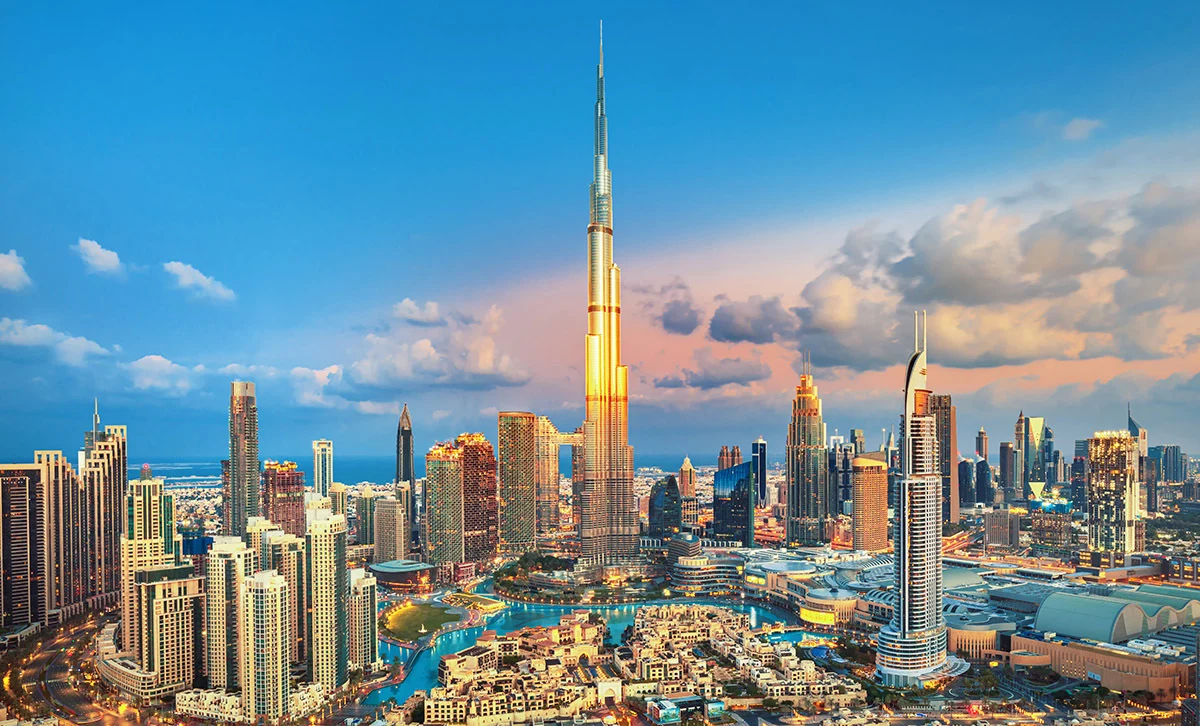
Dubai’s thriving tourism industry and status as a global business hub make short-term rentals especially lucrative. As mentioned, nearly 18 million tourists visited in 2023, and many prefer the space and value of private apartments over hotels. Popular visitor areas – Dubai Marina, Downtown (near Burj Khalifa), Palm Jumeirah, Jumeirah Beach Residence, etc. – see strong demand for holiday apartments year-round. Investors who own units in these locations can achieve occupancy rates that keep the property rented most of the year. Even during off-peak months, Dubai hosts conferences, shopping festivals, and has a growing population of remote workers and digital nomads (a segment bolstered by the UAE’s one-year remote working visa) ensuring a steady flow of short-term tenants.
The financial appeal is clear: short-term rentals in Dubai can yield an average ROI of 8%–12% per year, outperforming the typical 5%–7% from long-term leases. During peak tourist season (roughly October through April), daily rates surge and significantly boost overall returns. For instance, a one-bedroom apartment in Downtown might rent for AED 8,000–10,000 per month on a long-term contract, but the same unit could generate AED 12,000+ per month via short-term bookings in high season due to nightly rates of AED 400–500. Even factoring in occasional vacancy between guests, the higher income per night often outweighs a steady lease.
However, running a short-term rental requires active management. Owners need to furnish and equip the apartment to a high standard, handle marketing and guest communications, arrange cleanings, and comply with local regulations. Dubai has made this process investor-friendly: obtaining a holiday home permit and license is straightforward and inexpensive (around AED 1,520 per year for up to 8 properties) The government has set clear rules (such as registering guests and paying a small tourism dirham fee per stay) but imposes no income tax on rental earnings, even from short-term stays Many investors hire professional property management companies to handle day-to-day operations for a fee (typically 15–25% of rental incomet, which can turn a short-term rental into a hands-off passive income source.
In summary, short-term rental apartments in Dubai offer a way to turbocharge rental income by leveraging the city’s constant influx of visitors. An apartment in a prime location, kept in top condition and marketed well, can deliver excellent residual income from property. Just be prepared for the operational side or enlist a management service. It’s also wise to have a strategy for the off-season (such as slightly lower rates or monthly stays) to maintain cash flow year-round. When done right, holiday home investments in Dubai combine the benefits of high yields, flexibility in usage, and the enjoyment of owning a property that you can also personally use for vacations if desired.
Off-Plan Properties – Investing Early for Future Passive Returns
Investing in off-plan properties – properties that are under construction or in the pre-construction phase – is another popular avenue in Dubai to build residual income. Off-plan buying means you purchase directly from a developer before or during construction, often at a lower price than a completed similar property. The strategy here is to capitalize on capital appreciation and favorable payment plans, then earn rental income once the property is delivered (or profit by reselling at a higher price upon completion).
Dubai’s real estate developers frequently offer attractive incentives for off-plan buyers, such as flexible payment schedules (e.g. pay 10% now, another 10% over construction milestones, and the remainder on completion). This reduces the upfront financial burden and allows investors to secure an asset with a smaller initial outlay. By the time the project is finished, the property’s market value may have increased, enabling instant equity gains for the buyer. It’s not uncommon in a rising market for an off-plan unit bought at, say, AED 1 million to be worth AED 1.2 million upon handover. Some investors choose to flip at this point (sell the unit for a profit), but those seeking residual income will hold the property and start renting it out.
One key benefit of off-plan investments is the potential for higher ROI and rental yield relative to the amount invested. Since you locked in a lower purchase price early on, the rental income you eventually earn represents a higher percentage return on your initial cost. As one analysis noted, “the lower entry costs linked to off-plan properties can bring in higher rental yields, as the rental income... provides a favorable ROI relative to the initial capital outlay.”. In essence, you might achieve an 8% yield on the original price of an off-plan unit, whereas the same property bought at full price later might yield 6% on cost. New developments in Dubai are also designed with modern amenities and desirable locations, making them attractive to future tenants and justifying premium rents.
For example, an investor might buy a 2-bedroom off-plan apartment in an emerging neighborhood like Dubai Creek Harbour or Mohammed Bin Rashid City. During the 2-3 year construction period, the surrounding infrastructure and hype build up. Upon completion, the investor can either rent it out long-term or as a furnished unit (depending on strategy) and benefit from the high demand for brand-new apartments. If the property was acquired at a 20-30% discount to future market value (not uncommon off-plan, the rental yield on original cost becomes very strong. Additionally, many developers in Dubai offer post-handover payment plans or guaranteed rental return for a couple of years, further smoothing the path to earning income.
However, investors should be mindful of the risks and considerations with off-plan. These include the possibility of construction delays, changes in market conditions by the time of completion, or variances between promised specs and final delivery. It’s crucial to buy from reputable developers and to ensure the project is registered with RERA (Dubai’s Real Estate Regulatory Agency) with an escrow account in place to protect buyers’ funds. The good news is that Dubai’s regulations require developers to meet strict progress milestones and use escrow mechanisms, which significantly mitigate risk of project failure. By doing due diligence and choosing well-located projects, investors can leverage off-plan properties as a long-term residual income strategy – essentially “buy low, rent high” once the property is ready.
Bottom line: Off-plan properties in Dubai allow investors to get in on the ground floor of new developments, benefit from price appreciation, and then generate passive rental income. This approach is ideal if you have a medium-term outlook and want to maximize ROI, but it requires patience during the construction phase. Once the keys are in hand, you’ll own a brand-new property primed for strong rental demand and ongoing income for years to come.
Legal and Financial Considerations for Dubai Property Investors
Investing in Dubai real estate is straightforward, but it’s important to understand the legal and financial framework. The UAE has made it easy for foreigners and locals alike to own property, yet there are still regulations and processes to follow. Here are the key considerations and tips to ensure a smooth investment experience:
- Foreign Ownership Laws: International investors are welcome in Dubai’s property market. Foreigners (non-UAE residents) can buy freehold property in designated areas, meaning you have full ownership rights in perpetuity. Dozens of master-planned communities and most new developments are in these freehold zones – from downtown condos to suburban villas. There is no requirement for a local partner or sponsor when buying freehold real estate. By contrast, leasehold ownership (up to 99-year lease rights) applies to a few areas and special cases, but most investors focus on freehold assets for maximum control. Always verify that the property you’re interested in is in a freehold area (your real estate agent or the Dubai Land Department can confirm this). Overall, Dubai’s laws provide a secure title deed system for expats, giving peace of mind that your investment is legally protected.
- Buying Process and Fees: The property purchase process in Dubai is relatively quick and efficient. Once you select a property, a Memorandum of Understanding (MoU) is signed with the seller and a deposit (often 10%) is paid. Final transfer takes place at the Dubai Land Department (DLD) or a registration trustee office, where the title deed is issued in your name. Be prepared for some one-time transaction costs: the DLD charges a transfer fee of 4% of the property value (part of Dubai’s real estate transfer system) and there may be a small admin fee. Real estate agent commissions are typically around 2% of the purchase price (negotiable). Importantly, there are no ongoing property taxes after this – once you’ve paid the purchase fees, you will not owe annual property tax or similar recurring taxes, unlike in many other countries
- This dramatically reduces the holding cost of property. Do note that if you rent out your property, the local municipality currently adds a housing fee to the tenant’s utility bills (usually 5% of the yearly rent) – but this is paid by the tenant, not the owner. Landlords should budget for property maintenance and service charges (for apartments, maintenance fees are charged per square foot annually for building upkeep). These costs vary by property but are essential to keep the property in good condition and rentable.
- Financing and Mortgages: If you require financing to purchase, Dubai’s banks offer mortgage loans to both residents and non-residents. UAE residents can often borrow up to 75–80% of the property value (for first property) and non-residents around 50–70%, depending on the bank’s policies. Mortgage interest rates in the UAE have been moderate, and loans typically run up to 25 years. Keep in mind that lenders will require a down payment (20-50% depending on residency status) and proof of income. For investors, paying cash or a large down payment can improve your rental yield (since you’ll have lower or no financing costs eating into the rental income). If you do take a mortgage, ensure the rental income can comfortably cover the EMI payments, giving you a positive cash flow each month – that’s the essence of residual income. Many investors initially finance a property and then use the rental income to pay off the loan, effectively letting the investment “pay for itself” over time.
- Landlord and Tenant Regulations: Dubai’s rental market is well-regulated by RERA and the Dubai Land Department. When you lease out a property, you’ll typically use a standard Ejari tenancy contract (Ejari is an online registration system that officializes rental agreements). The government has rules in place to protect both landlords and tenants – for example, there are guidelines for rent increases (tied to a Rental Index and capped to prevent exorbitant hikes in a given year). It’s important to abide by notice periods and procedures for things like evicting a tenant (which can only be for specific reasons defined by law, or at contract end). As a landlord, familiarize yourself with these regulations or hire a property management firm to handle tenant relations and paperwork. Fortunately, the environment is generally landlord-friendly: in practice, default rates are low and the fact that rent is often paid via advance checks means steady cash flow. Just ensure you screen tenants, use a proper contract, and register the tenancy to be fully compliant.
- Residency Visa Through Property Investment: As highlighted earlier, Dubai offers residency visas to property owners meeting certain investment values. If you are a foreign investor planning to spend a lot of time in the UAE or simply want the flexibility to come and go easily, this is a key consideration. Under current rules, investing AED 750,000 or more in property can qualify you for a 2-year investor residence visa (renewable as long as you retain the property)
- Investing AED 2 million or more makes you eligible for the 10-year Golden Visa programwhich is especially attractive for high-net-worth individuals, granting long-term residency with minimal hassle. These visas allow you to sponsor family members as well. The visa process involves obtaining a title deed and a simple application through the DLD or relevant immigration authority. There’s also a 5-year retirement visa option for those aged 55+ who invest in property, and various other initiatives, showing the government’s commitment to attracting property investors. While the visa benefits might not directly increase your rental income, they enhance the overall value proposition of investing in Dubai (for example, by making it easier for you to manage your properties in person or enjoy the lifestyle benefits of staying in Dubai).
- Exit Options and Flexibility: Dubai’s real estate market is liquid and international. Should you ever decide to sell your property to cash out your gains, the process is straightforward. Capital repatriation is unrestricted – you can freely transfer your sale proceeds out of the country, as there are no exchange controls. Additionally, the absence of capital gains tax means you keep 100% of any profit on sale This flexibility reassures investors that they can enter and exit positions without red tape or tax penalties. It’s also possible to pass on properties to heirs with no inheritance tax in the UAE making Dubai real estate a solid component of estate planning for long-term investors.
In summary, Dubai’s legal framework is designed to be transparent and secure for property investors. Foreign ownership is permitted in many areas, the buying process is clear-cut with some one-time fees but no ongoing property taxes, and investor visas add an extra perk for qualifying purchases. Combine this with well-defined rental laws and ease of doing business, and it’s evident why investing in Dubai real estate appeals to investors worldwide. As always, it’s wise to consult a local real estate agent or legal advisor for the latest regulations and to ensure all paperwork is in order, but you can approach the market with confidence that your investment will be protected by law.
Conclusion: Dubai Real Estate – Your Path to Passive Income in the UAE
Dubai’s real estate market offers a compelling path to passive income for a wide range of investors. By choosing the right property type and strategy – be it a glamorous villa, a bustling short-term rental apartment, or an off-plan gem in the making – you can unlock residual income that grows year after year. We’ve seen that Dubai rental yields are among the highest globally, boosted by a tax-free environment and robust demand. Investors benefit from zero property and income taxes on their rental earnings, meaning more money in your pocket. Meanwhile, government initiatives like property-linked visas and strong legal protections make the process of owning and profiting from real estate in Dubai accessible and secure for both foreigners and locals.
In this guide, we covered how luxury villas can provide steady long-term rental returns while appreciating in value, how short-term rentals can maximize cash flow from Dubai’s thriving tourism, and how off-plan properties allow investors to start with lower capital and reap future rewards. Each route has its considerations, but all can lead to the ultimate goal: passive income UAE investors can rely on. The key is to align your investment choice with your financial goals and risk tolerance, do thorough research (location and developer reputation are crucial!), and take advantage of Dubai’s investor-friendly ecosystem.
Dubai’s slogan has often been "the city of the future," and this future looks especially bright for real estate investors. High rental yields, no taxes, a growing population, and continuous development indicate that Dubai real estate investment will remain a fruitful venture in the years to come. If you are seeking to build wealth and earn income while you sleep, Dubai’s property market deserves serious consideration. With prudent investment decisions today, you could be collecting rent checks and enjoying capital growth tomorrow – truly making your property purchase work for you.
Ready to take the next step? Whether you’re a seasoned investor diversifying your portfolio or a first-time buyer venturing into property, Dubai offers opportunities at every scale. Do your homework, consult professionals, and start your journey. With the right approach, making residual income through Dubai real estate can move from an ambitious idea to a rewarding reality. Here’s to your successful investment and the passive income it generates, in the dynamic city of Dubai!
SPONSORED ADVERT
Buying Property in Dubai(Opens in a new browser tab)
Dubai Real Estate: Apartments Lead with $31.8 Billion in Q3 Transactions(Opens in a new browser tab)
“Donald of Dubai”: Real Estate Mogul Rubbing Shoulders with Trump(Opens in a new browser tab)
Buy Dubai Real Estate(Opens in a new browser tab)
How to move to Dubai from uk and become Tax Free(Opens in a new browser tab)
How to Make Money Online with Real Estate: A Comprehensive Guide(Opens in a new browser tab)
Dubai Real Estate: How to Make Money with Off-Plan Properties(Opens in a new browser tab)
The Benefits of Buying a Property in Dubai for Airbnb(Opens in a new browser tab)
This article is general information about the Dubai property market, not financial advice. Prices and regulations change; ask for up-to-date details before you buy.