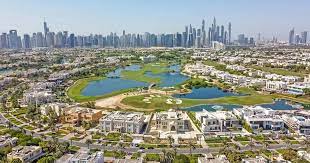
Dubai is a global real estate hub, attracting investors and homebuyers from around the world. The city's strong economy, tax-free property investments, and luxurious lifestyle make it a top choice for property purchases. However, buying property in Dubai involves a structured legal process that must be followed to ensure a smooth transaction.
This guide outlines the step-by-step process of buying property in Dubai and details the documents required at each stage.
1. Determine Your Eligibility for Property Ownership in Dubai
Dubai allows expats and foreign investors to buy property in designated areas known as freehold zones. Some of the most popular freehold areas include:
- Downtown Dubai
- Dubai Marina
- Palm Jumeirah
- Jumeirah Lakes Towers (JLT)
- Business Bay
- Arabian Ranches
If you are a UAE citizen or a GCC national, you can also buy in leasehold areas, which are not available to foreign buyers.
Required Documents:
- Passport copy (for non-residents and foreigners)
- Emirates ID (if you are a resident of the UAE)
- Visa copy (if applicable)
2. Choose the Right Property and Conduct Market Research
Before purchasing, conduct thorough research based on:
- Budget
- Purpose of purchase (investment, rental income, or personal use)
- Developer reputation
- Current market trends
- Potential ROI (Return on Investment)
Pro Tip: Work with a RERA-registered real estate agent to ensure a smooth process.
Required Documents:
- None at this stage (but keep identification documents handy)
3. Secure a Mortgage (If Needed)
If you require home financing, apply for a mortgage with a UAE bank. The UAE Central Bank has strict lending policies for expatriates:
- Maximum Loan-to-Value (LTV) for first-time buyers:
- 80% for properties under AED 5M
- 70% for properties over AED 5M
- For non-residents, mortgage financing may be limited.
Required Documents:
- Passport copy
- Emirates ID (for residents)
- Salary certificate or trade license (for self-employed)
- Bank statements (last 6 months)
- Proof of address
- Credit report (if applicable)
- Mortgage pre-approval letter from the bank
4. Sign the Sales Agreement (Form F)
Once you've selected a property, both the buyer and seller must sign the Form F, also known as the Memorandum of Understanding (MOU). This legally binding document outlines:
- Property details
- Final agreed price
- Payment structure
- Transfer timeline
- Seller’s and buyer’s obligations
At this stage, the buyer must pay a 10% deposit to secure the property.
Required Documents:
- Signed Form F (MOU)
- Passport copies of both parties
- Emirates ID (for residents)
- Payment receipt for 10% deposit
5. Obtain a No Objection Certificate (NOC)
Before the ownership transfer, the developer must issue a No Objection Certificate (NOC) to confirm that there are no outstanding payments on the property. The buyer and seller must apply for this certificate at the developer’s office.
Required Documents:
- Original Title Deed (from the seller)
- MOU (Form F)
- No Objection Certificate (NOC) application
- Buyer’s and seller’s passport copies
- Payment receipt of any developer fees (if applicable)
6. Transfer Ownership at the Dubai Land Department (DLD)
After obtaining the NOC, the final step is to transfer the ownership at the Dubai Land Department (DLD). Both the buyer and seller (or their legal representatives) must be present.
Final Costs to Expect:
- 4% DLD transfer fee (mandatory)
- AED 580 to AED 4,200 for the Title Deed (varies based on property type)
- Agent commission (usually 2%)
- Mortgage registration fee (if applicable, 0.25% of loan amount)
Required Documents:
- Original Title Deed (from the seller)
- NOC from the developer
- Buyer’s passport and Emirates ID
- Seller’s passport and Emirates ID
- Original MOU (Form F)
- Mortgage documents (if applicable)
- Manager’s cheque for payment to the seller
Once all documents are submitted, the Dubai Land Department will issue a new Title Deed in the buyer’s name.
7. Final Step: Receive the Title Deed
Congratulations! After completing the transfer, the Dubai Land Department issues a new Title Deed in the buyer’s name, making them the legal owner of the property.
Required Documents:
- New Title Deed (issued by DLD)
- Copies of all transaction documents for record-keeping
Key Takeaways
✅ Foreigners can buy property in Dubai’s freehold areas
✅ A mortgage pre-approval is recommended for financing
✅ Buyers must pay a 10% deposit upon signing the MOU (Form F)
✅ A No Objection Certificate (NOC) is required before ownership transfer
✅ Ownership transfer is completed at the Dubai Land Department (DLD)
✅ Title Deed issuance confirms legal ownership
By following this structured process, you can smoothly purchase a property in Dubai while ensuring all legal requirements are met. Whether buying for investment or personal use, understanding the paperwork and financial obligations is crucial for a hassle-free experience.
SPONSORED ADVERT
This article is general information about the Dubai property market, not financial advice. Prices and regulations change; ask for up-to-date details before you buy.