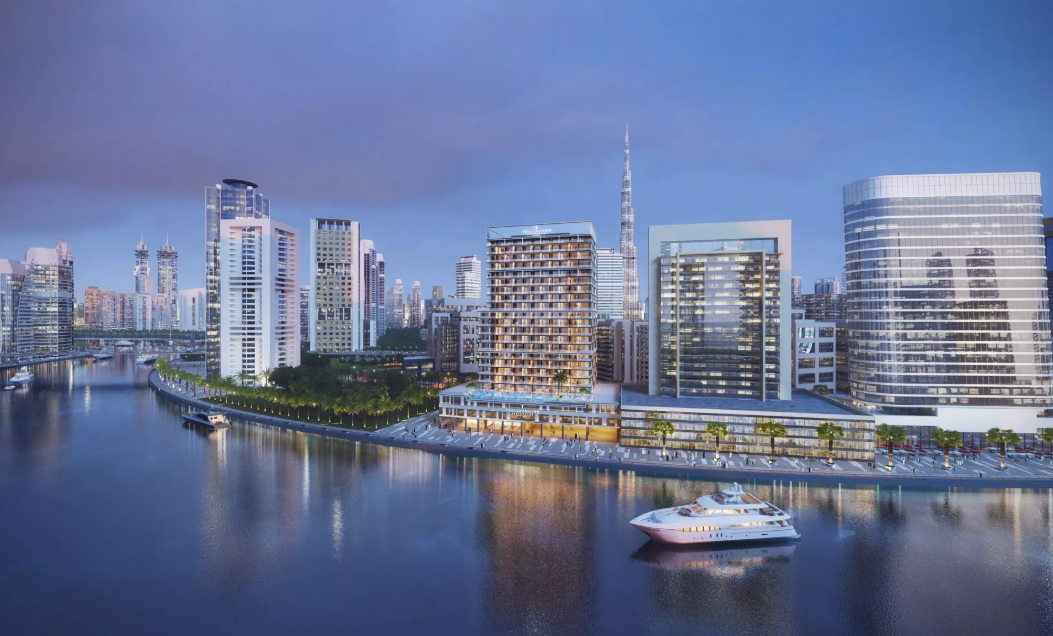
Dubai has established itself as a global real estate hub, offering lucrative investment opportunities with high returns. With its tax-free environment, rapid infrastructure development, and a continuously growing expatriate population, Dubai presents a compelling case for property investors looking to maximize their ROI. However, like any investment, success depends on knowledge, strategy, and execution.
In this guide, we’ll explore how to invest wisely in Dubai’s real estate market and ensure strong returns on your investment.
Why Invest in Dubai Real Estate?
1. High Rental Yields
Dubai offers some of the highest rental yields globally, averaging between 5% and 9% per annum, significantly higher than cities like New York, London, or Hong Kong.
2. No Property Tax
Unlike many major cities, Dubai does not impose property taxes, making it a cost-effective investment destination.
3. Investor-Friendly Policies
Foreigners can own freehold property in designated areas, and the government provides long-term residency visas for property investors, adding an extra layer of security and stability.
4. Booming Tourism & Economy
Dubai’s tourism and business sectors are thriving, ensuring high rental demand from expatriates and short-term visitors.
5. Strong Infrastructure & Safety
With world-class infrastructure, excellent safety records, and a high standard of living, Dubai remains a desirable destination for global investors.
How to Invest in Dubai Real Estate for Maximum ROI
1. Identify High-Growth Areas
Certain areas in Dubai provide better investment potential due to demand, rental yields, and future development plans. Some of the best areas for investment include:
- Dubai Marina & JBR – High rental demand from professionals and tourists.
- Downtown Dubai – Premium properties with luxury appeal.
- Business Bay – Emerging as a commercial and residential hub.
- Jumeirah Village Circle (JVC) – Affordable yet high-yielding community investments.
- Dubai Silicon Oasis – Popular among tech professionals.
2. Choose the Right Property Type
Your investment strategy should dictate the type of property you buy:
- Luxury Properties – High-end apartments or villas offer strong capital appreciation.
- Short-Term Rentals – Properties in tourist-heavy areas (like Downtown, Marina) can generate substantial income through Airbnb or holiday rentals.
- Affordable Housing – Mid-range apartments in communities like JVC and Dubai South are in high demand among long-term residents.
3. Understand Market Cycles
Real estate markets move in cycles. Timing your purchase correctly—ideally during a buyer’s market—can help you maximize capital appreciation. Track market trends, new regulations, and supply-demand dynamics before making a decision.
4. Work with Reliable Developers
Dubai has both established and emerging developers. Always invest with reputable developers like Emaar, DAMAC, Sobha, Nakheel, and Dubai Properties to ensure timely delivery and quality assurance.
5. Leverage Off-Plan Investments
Off-plan properties are under construction and can offer better prices than ready properties. Benefits include:
- Lower entry prices with flexible payment plans.
- Potential for high appreciation before project completion.
- Opportunity to sell before handover for profit.
However, off-plan investments carry some risks (delays, market fluctuations), so choose developers with a strong track record.
6. Consider Financing Options
If you plan to use leverage, Dubai offers mortgage options for expats and investors. Compare rates from various banks and understand the loan-to-value (LTV) ratio limits. Mortgages can help amplify your ROI but should be used wisely to avoid over-leverage.
7. Optimize Rental Income Strategy
- Long-Term Rentals: Suitable for stability and consistent cash flow.
- Short-Term Rentals: High potential yields but require active management. Platforms like Airbnb can provide greater returns if managed well.
- Serviced Apartments: Offer hotel-like features and command premium rents.
8. Be Aware of Legal & Regulatory Frameworks
The Dubai Land Department (DLD) and Real Estate Regulatory Authority (RERA) oversee property transactions. Important laws to note:
- RERA Rental Index: Ensures fair rental pricing.
- Ejari System: Mandatory rental agreement registration.
- Golden Visa: Investors buying property worth AED 2 million or more qualify for a 10-year residency visa.
9. Factor in Additional Costs
Apart from the property price, consider:
- Service Charges: Maintenance fees in residential buildings.
- Transaction Costs: Includes DLD fees (4%), broker fees (2%), and mortgage costs.
- Furnishing & Maintenance: If renting short-term, factor in furnishing expenses.
10. Stay Updated & Keep a Long-Term Perspective
Dubai’s real estate market evolves rapidly. Stay updated on trends, upcoming developments, and regulatory changes. A long-term strategy (5-10 years) generally yields the best ROI, as Dubai’s property market is still growing and offers significant appreciation potential.
Final Thoughts: Is Dubai Real Estate a Good Investment?
Yes—if done correctly. Dubai’s real estate market presents excellent opportunities for investors looking for strong rental yields, capital appreciation, and long-term gains. By choosing the right property in a prime location, leveraging financing options wisely, and staying informed about market trends, you can maximize your returns and build sustainable wealth through real estate investment in Dubai.
Want to start investing? Research, consult with experts, and make well-informed decisions to ensure long-term profitability in Dubai’s real estate market.
SPONSORED ADVERT
This article is general information about the Dubai property market, not financial advice. Prices and regulations change; ask for up-to-date details before you buy.